
Classic artwork
These works led me to attempt to create this photographic book, using the notion of the map as a clue to the future and to question the whereabouts of my spirit. Discarded memorial photographs, a farewell note, kamikaze pilots – the illusions of various maps that emerge are to me like a discussion with the devil https://voltage-bet.co/tennis/. The stains are situated as a key image of the series by drawing a future stratum and sealing the history, the nationality, the fear and anxiety of destruction and prosperity. It was almost a metaphor for the growth and the fall.
“The original idea for the Tate Modern exhibition Conflict, Time, Photography came from a coincidence between two books that have captivated and inspired me for many years: Kurt Vonnegut‘s classic 1969 novel Slaughterhouse-Five and the Japanese photographer Kikuji Kawada’s 1965 photobook The Map. Both look back to hugely significant and controversial incidents from the Second World War from similar distances.
This is an original, rolled, one-sheet movie poster from 1987 for Empire of the Sun starring Christian Bale, John Malkovich, Miranda Richardson and Joe Pantoliano. Steven Spielberg directed the film based on the novel by J.G. Ballard. John Alvin is the artist for the poster.

Cinematic artwork
By borrowing these cinematic techniques, painters have expanded the possibilities of their medium, creating works that are not only visually captivating but also rich in narrative and emotional depth. The interplay between film and painting continues to inspire artists, encouraging them to push the boundaries of visual storytelling.
Looking ahead, the influence of cinematic techniques in painting is likely to grow, driven by advancements in technology and the ongoing exploration of new narrative forms. Artists will continue to push the boundaries of visual storytelling, integrating elements of film, digital media, and traditional painting to create works that are both innovative and deeply engaging.
The relationship between film and painting is a fascinating interplay of visual arts, where each medium has continually borrowed and evolved from the other. Since the advent of cinema in the late 19th century, the dynamic and immersive nature of film has captivated audiences and influenced various forms of artistic expression. Painters, in particular, have been inspired by the narrative and visual techniques developed in cinema, incorporating these elements into their work to create compositions that are rich in storytelling and emotional depth.
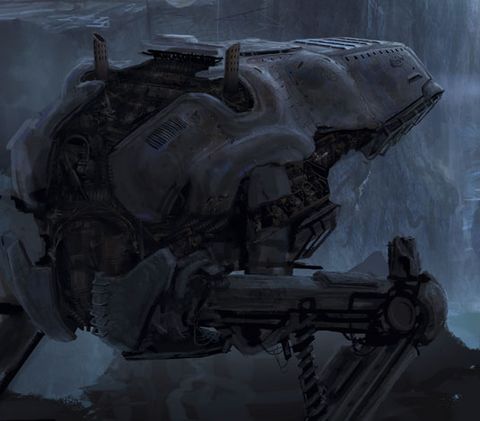
By borrowing these cinematic techniques, painters have expanded the possibilities of their medium, creating works that are not only visually captivating but also rich in narrative and emotional depth. The interplay between film and painting continues to inspire artists, encouraging them to push the boundaries of visual storytelling.
Looking ahead, the influence of cinematic techniques in painting is likely to grow, driven by advancements in technology and the ongoing exploration of new narrative forms. Artists will continue to push the boundaries of visual storytelling, integrating elements of film, digital media, and traditional painting to create works that are both innovative and deeply engaging.
Classic artwork
Art in Context is your holistic art encyclopedia. We offer you extensive information about the history of art, analyses of famous artworks, artist biopics, information on architecture, literature, photography, painting, and drawing.
Velázquez’s complex and mysterious composition is a masterclass in perspective and a commentary on the act of painting itself. Its influence can be seen in the works of numerous artists who followed, including Pablo Picasso and Salvador Dalí.
This piece was constructed on an eight-by-four-foot piece of fiberboard. Jackson Pollock’s approach for this piece was the utilization of liquid paints. He opted to abandon the traditional method of painting on canvas. No. 5 can be seen with a lot of brown and yellow paint splattered over it. Pollock was motivated to make this painting by his personal feelings. He departed from the customary use of liquid paints.